Artificial intelligence is transforming the video creation industry faster than ever before. Just a few years ago, producing animated characters required professional studios, expensive motion capture systems, and long production cycles.
Today, AI animation tools are making character animation accessible to everyone.
One of the most exciting technologies behind this shift is Kling 3.0 Motion Control.
This system allows creators to transfer motion from real videos to AI-generated characters, enabling lifelike animation without traditional keyframe animation workflows.
If you want to see the technology in action, you can try the
👉 Kling motion animation experience
Users can upload a reference video and instantly see how motion is transferred to a digital character.
What is Kling 3.0 Motion Control
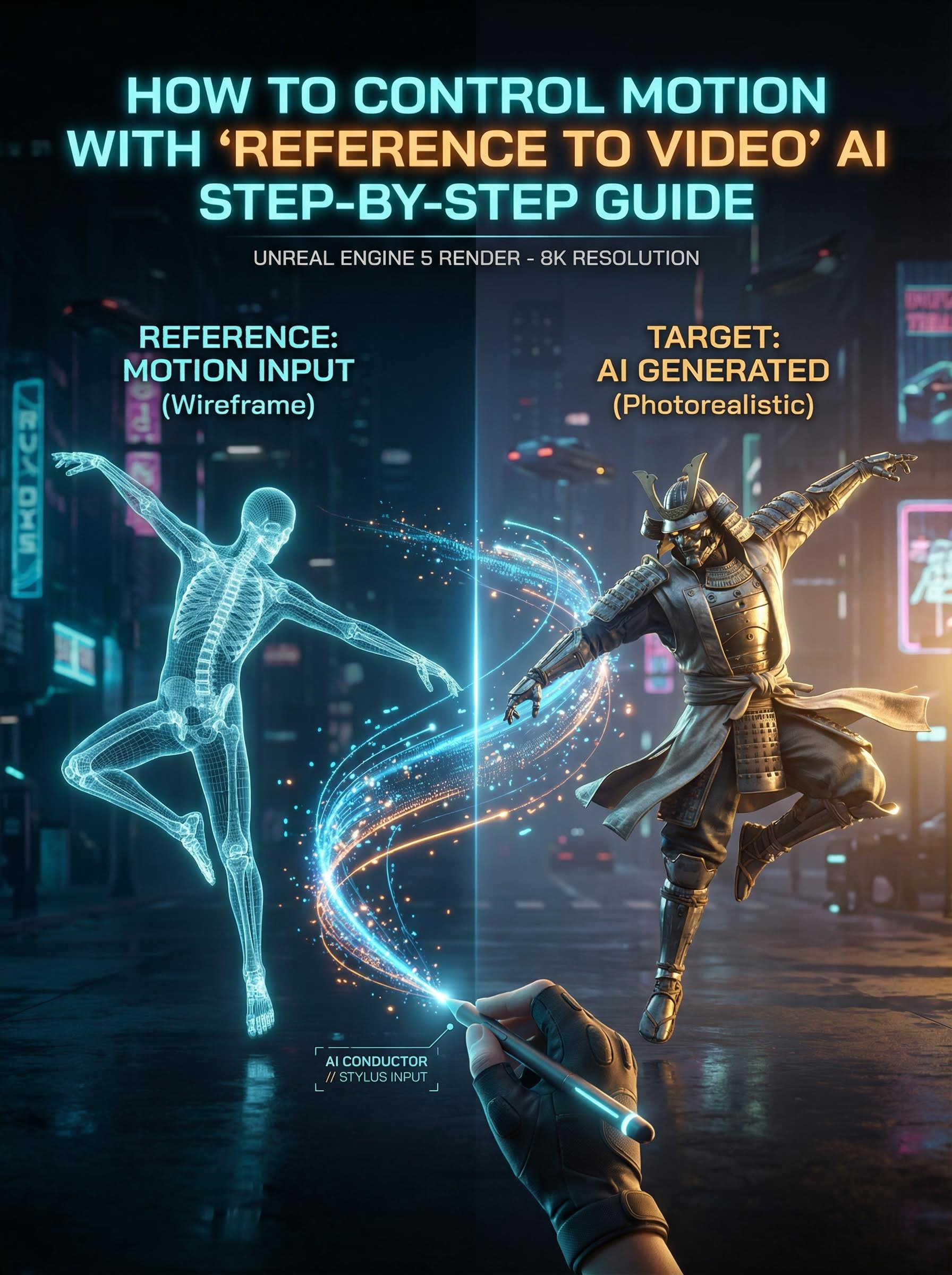
Kling Motion Control is an AI-driven system designed to control character movement in generated videos.
Instead of randomly generating motion, the AI analyzes movement patterns from a reference clip and applies them to a completely different character.
The workflow looks like this:
Character Image
      +
Motion Reference Video
      +
Scene Prompt
      ↓
Motion Control AI
      ↓
Generated Animation
This type of system powers many modern creative tools such as:
AI animation generators
AI motion transfer video creators
AI avatar animation tools
AI character video platforms
You can explore how the system works through the
👉 AI motion transfer demo
Watch Motion Transfer in Action
Seeing motion transfer technology in action helps explain its power much better than reading about it.
When a reference video is uploaded, the AI analyzes several aspects of the movement:
body posture
motion timing
limb positioning
gesture patterns
The generated character then replicates these movements while maintaining its own visual style.
This level of motion control is why AI-driven animation tools are becoming extremely popular among content creators, game developers, and digital artists.
If you want to experiment with motion transfer yourself, try the
👉 AI character motion generator
The Technology Behind Motion Transfer
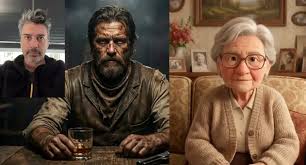
The core technology behind Kling Motion Control is called motion transfer.
Motion transfer analyzes body movement patterns from one video and maps them onto a different character.
For example:
Reference Motion | Generated Result |
|---|---|
Person dancing | Anime character dancing |
Athlete running | Game character running |
Speaker presenting | AI avatar presenting |
Because of this capability, developers are building many new AI tools including:
AI dance generators
AI avatar video creators
AI character animation tools
AI storytelling video platforms
To see how motion transfer works step by step, visit the
👉 interactive character animation tool
Example: AI Dance Video Generation
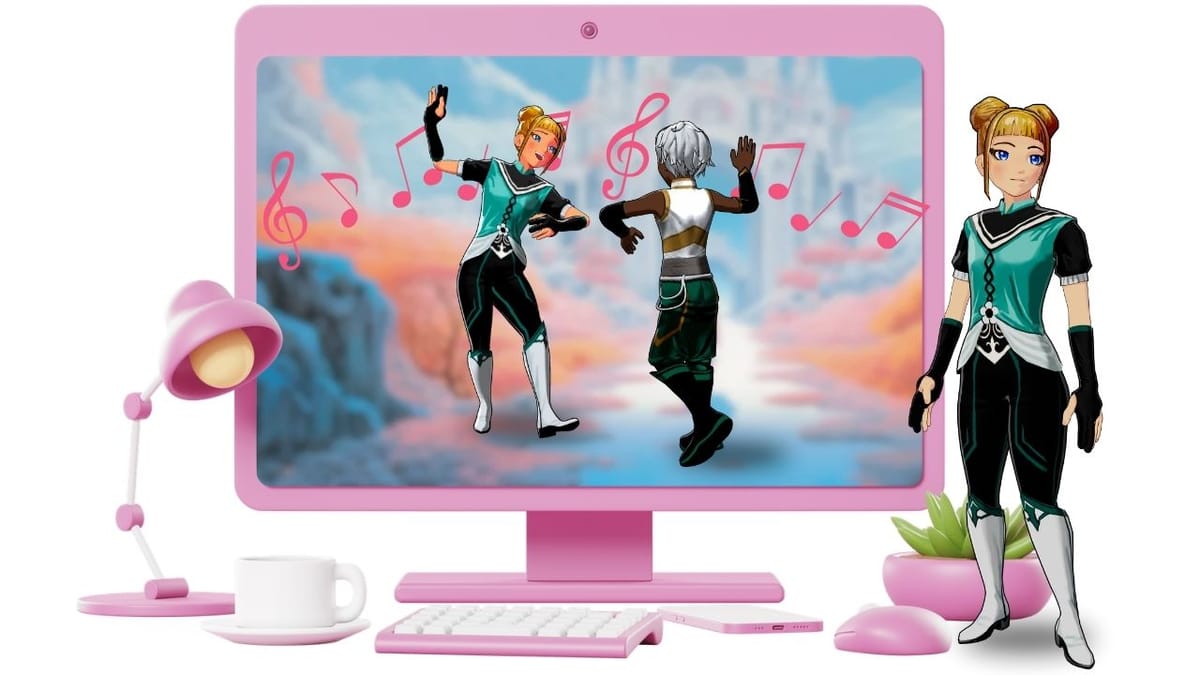
One of the most viral applications of Kling Motion Control is AI dance video generation.
Creators simply upload:
a character image
a dance reference video
The AI then generates a new animation where the character performs the same choreography.
Example Input
Character: Anime girl
Reference motion: Hip-hop dance clip
Prompt: Neon nightclub environment
Example Output
Video length: 5 seconds
Resolution: 1080p
Frame rate: 24 fps
Motion accuracy: High
The result is a lively animation where a stylized character performs realistic dance moves.
You can experiment with similar results using the
👉 AI dance motion generator
AI Talking Avatar Applications
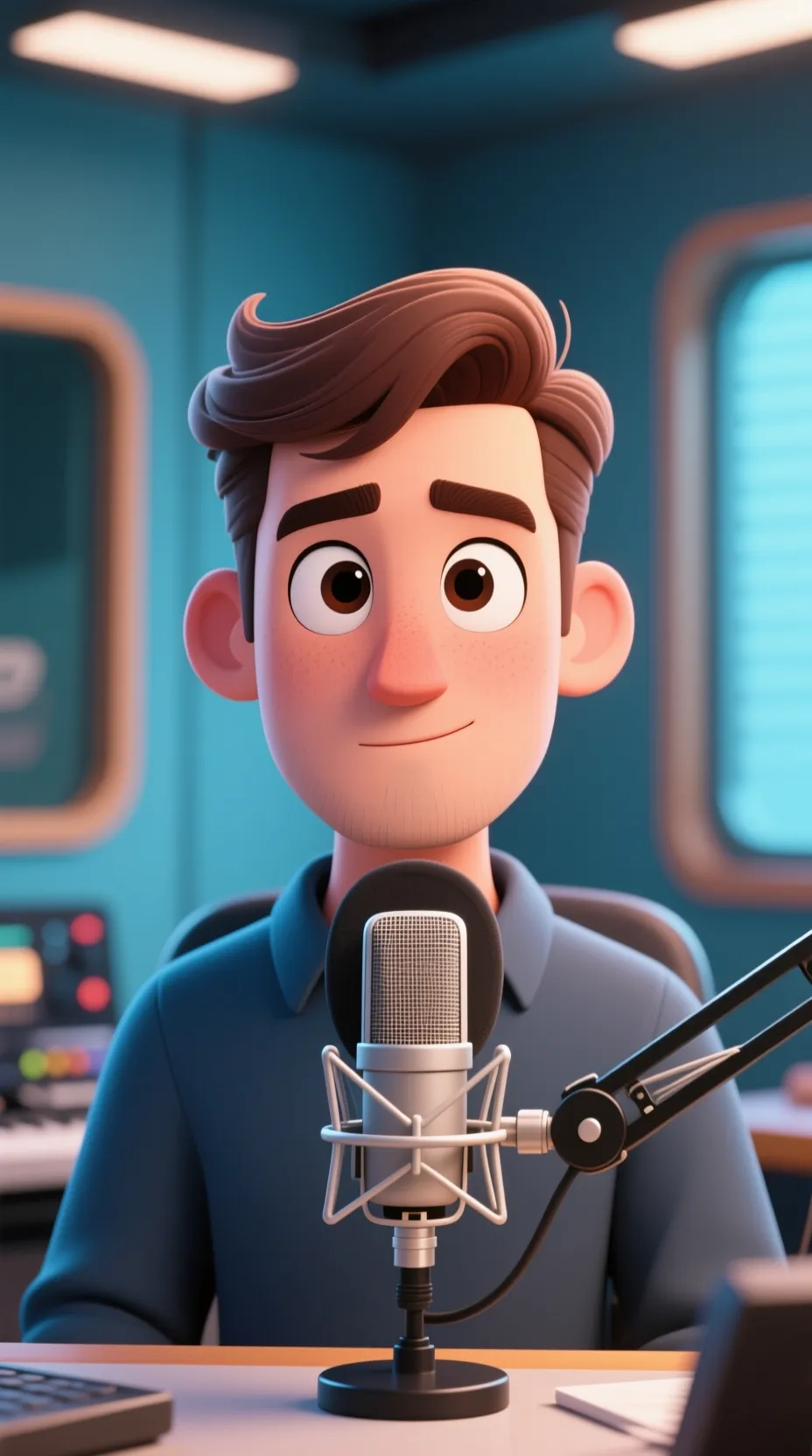
Motion control is also transforming AI avatar video production.
Businesses can generate digital presenters by combining an avatar image with a reference speech video.
Example Workflow
Character: Business avatar
Reference motion: Speech video
Prompt: Professional conference stage
Example Output
Video length: 10 seconds
Resolution: 1080p
Facial motion: synchronized
This produces a realistic AI presenter delivering content with natural gestures and body language.
To explore this capability further, try the
👉 motion-driven AI video generator
Kling Motion Control vs Traditional Animation
Feature | Traditional Animation | Kling Motion Control |
|---|---|---|
Animation creation | Manual keyframes | AI motion transfer |
Production speed | Slow | Extremely fast |
Cost | High | Low |
Realism | Depends on animator | High |
Motion transfer technology significantly reduces production time while maintaining realistic character movement.
Instead of spending hours animating individual frames, creators can generate animation in seconds using AI.
You can explore how this system works directly through the
👉 Kling Motion Control animation platform
Final Thoughts
Kling 3.0 Motion Control represents a major leap forward in AI-powered animation.
By combining motion transfer, character consistency, and expressive movement generation, creators can produce dynamic animated videos faster than ever before.
From AI dance generators to virtual avatar presenters, motion-driven animation is shaping the future of digital storytelling.
As this technology continues to evolve, tools like Kling will allow creators everywhere to transform static images into fully animated characters and immersive visual stories.
If you want to explore the technology yourself, visit
👉 Kling Motion Control animation experience